


Auto Fastener
What is Auto Fastener
An auto fastener is a type of hardware device that is used to join or attach two or more parts together in a vehicle. Auto fasteners can be made of metal, plastic, or rubber, and can have various shapes and sizes. Some common types of auto fasteners are screws, bolts, nuts, washers, clips, rivets, and pins.
Advantages of Auto Fastener
Easy installation
Auto fasteners are designed for easy installation and can be easily installed using simple tools such as wrenches, drivers, or pliers. This makes the assembly process faster and more efficient.
Durability
Most auto fasteners are made of high-quality materials such as steel or aluminum, which makes them durable and long-lasting. They can withstand the harsh conditions of the automotive environment, including vibrations, temperature changes, and exposure to chemicals.
Versatility
Auto fasteners come in various sizes, shapes, and designs to accommodate different automotive applications. They can be used to secure various components such as engine parts, body panels, interior trim, suspension systems, and electrical systems.
Secure and reliable
Auto fasteners provide a secure and reliable connection between different automotive components. They ensure that the parts are held together firmly, even under high-stress conditions such as vehicle movement, vibrations, and impacts.
Cost-effective
Auto fasteners are cost-effective compared to other joining methods such as welding or adhesive bonding. They are readily available and can be easily replaced if needed. Additionally, the installation process is less time-consuming and requires fewer resources.
Maintenance and repair
Auto fasteners allow for easy maintenance and repair of automotive components. If a part needs to be replaced or repaired, the fasteners can be easily removed and reinstalled without causing damage to the surrounding components.
Compatibility
Auto fasteners are designed to be compatible with specific automotive applications. They are engineered to meet industry standards and specifications, ensuring proper fit and function.
Safety
Auto fasteners play a crucial role in ensuring the safety of the vehicle and its occupants. They help to secure critical components such as brakes, steering systems, and suspension systems, which are essential for safe driving.


Our company is one of the leading manufacturers and suppliers of automotive fasteners in China. Welcome to purchase automotive fasteners, bolts and fasteners, locking wheel nuts from our factory and our company. Tension bolt CE, rivet TS16949, national standard flat washer, etc.
Why Choose Us
Rich experience
Dedicated to strict quality control and attentive customer service, our experienced staff is always available to discuss your requirements and ensure complete customer satisfaction.
Advanced equipment
We take great measures to ensure that we work with the industry’s highest quality equipment and that our equipment is regularly and meticulously maintained.
High quality products
We always put customer needs and expectations in the first place, refine on, continuous improvement, to seek every opportunity to do better, to provide customers with their expectations of quality products, to provide customers with the most satisfactory service at anytime.
Professional service
We can accept factory inspection and goods inspection at any time. Technical discussion, research and development of new products, and complete after-sales service.
There are many reasons why you should only use high quality automotive fasteners when working on your car. Using cheaper and lower-quality bolts, screws, and other hardware can lead to less-than-dependable joints and connections. This is especially true if the hardware in question isn' t made specifically for automobiles – as opposed to general household applications.
Another big reason to stick with high-quality automotive fasteners is safety. Using substandard parts or components can increase the chances of something going wrong while driving, often with catastrophic results. Imagine a scenario where a cheap bolt fails mid-drive, causing part of your car' s chassis or suspension system to fall off! Not only would this be extremely dangerous for you and your passengers, but it could also lead to serious legal problems if someone gets injured due to your vehicle' s shoddy construction.

What Materials Are Automotive Fasteners Made Of

Metal fasteners for the automotive industry
Metals are the main material for producing automotive fasteners, and metal automotive fasteners are mainly made of aluminum, iron, and copper. The diverse properties of aluminum, iron, and copper allow automotive engineers to tailor fastener choices to the unique demands of different components, balancing factors like weight, strength, and electrical conductivity in the overall design. Aluminum, known for its lightweight nature, is often used in applications where reducing overall weight is crucial. Common aluminum fasteners include bolts and screws. Iron, prized for its strength and durability, finds extensive use in heavy-duty applications. Fasteners such as bolts, nuts, and studs made of iron contribute robust connections in critical components of the vehicle's structure. Copper, appreciated for its excellent conductivity and corrosion resistance, is utilized in specialized automotive applications, such as electrical connections. Copper-based fasteners, like bolts and washers, ensure reliable electrical conductivity and longevity in these specific applications.
Plastic fasteners for the automotive industry
Frequently made with vinyl, plastic fasteners are manufactured through injection molding. Though they aren’t as strong as iron, they have a high resistance to shock and vibrations.
The key plastic fastener types used in the automotive industry include rivets, plugs, bushes, clips, grommets, nuts, screws, and cable ties. Wire harnessing was the largest application scope for plastic fasteners. Increasing demand for plastic ties and clips to fasten wires into organized bundles is expected to have a positive impact on industry growth.

Most Common Automotive Fasteners in Use
Nuts and bolts
The average car consists of a thousand nuts and bolts of all sizes used in its every corner. The nuts and bolts are used to hold engine components, suspension arms, and dashboards, amongst other things. Simple but irreplaceable, millions of them are produced each day using various iron and aluminium alloys.
Washers
A washer is a thin plate (metal or plastic) that is used in conjunction with a nut and bolt. Its primary purpose is to distribute the load or pressure created by the bolt. It is an extremely simple fastener, and it is often round in shape with an appropriate hole in the middle.
CLAMPS
Clamps are a very important member of the fastener family since they are often used in an engine for holding hoses and tubes. The classic clamp design is made of metal with a screw to tighten the clamp and firmly hold the hose in place. There are a few other designs, and some are even made out of plastic, but this one is most common in all vehicles.
Clips
Clips are very important in the modern car industry since they often replace nuts and bolts and provide car manufacturers with more straightforward solutions. There are numerous designs for various purposes, but clips can be made out of plastic or metal. Most commonly, clips are used for positioning of exterior trim on a vehicle (metal) or for holding the interior panels, door cards, or plastic bumpers (plastic). Some clips are not reusable, while others are.
Screws
Screws are commonly used for positioning and tightening panels or components. The head of the screw can differ, and it can require different tools. Just like nuts and bolts, screws are almost exclusively made out of metal and used throughout the automotive industry.
Rivets
Rivets are used in car production as well as in aftermarket and repair processes and have the simple task of firmly holding two pieces of metal or plastic together. Most rivets are made from metal, but plastic ones are used for plastic bumpers or trim pieces. Rivets cannot be reused.
Springs
Made exclusively out of metal, springs are a simple type of fastener used to create tension between two mechanical components.
Pins
Designed to keep the components in place but still allow some movement, pins can be made out of plastic or metal. Metal ones are commonly reusable, but plastic can be destroyed when remo
Process of Auto Fastener
The first step in the process is the selection of the appropriate raw materials. Auto fasteners are typically made from materials such as steel, stainless steel, or aluminum. The choice of material depends on factors such as the application, strength requirements, and corrosion resistance.
Once the raw materials are selected, they undergo a series of manufacturing processes. The first process is wire drawing, where the raw material is drawn through a die to reduce its diameter and increase its length. This process helps in achieving the desired dimensions and surface finish of the fastener.
After wire drawing, the next step is cold heading. In this process, the wire is cut into the desired length and then formed into the shape of the fastener. Cold heading is typically done using specialized machines that apply high pressure to shape the wire into the desired form. This process ensures the formation of the head and the threads of the fastener.
Once the fastener is formed, it undergoes heat treatment to improve its mechanical properties. Heat treatment involves subjecting the fastener to controlled heating and cooling processes to alter its microstructure and enhance its strength and hardness. This step is crucial to ensure that the fastener can withstand the high loads and vibrations experienced in automotive applications.
After heat treatment, the fastener undergoes various finishing processes to improve its appearance and corrosion resistance. These processes may include cleaning, deburring, and coating. Cleaning removes any contaminants or residues from the fastener's surface, while deburring removes any sharp edges or burrs that may have formed during the manufacturing process. Coating, such as zinc plating or galvanizing, provides a protective layer to prevent corrosion.
Quality control is an essential part of the auto fastener manufacturing process. Throughout each step, the fasteners are inspected to ensure they meet the required specifications and standards. This includes dimensional checks, hardness testing, and visual inspections. Any non-conforming fasteners are rejected to maintain the quality and reliability of the final product.
Once the fasteners pass the quality control checks, they are packaged and prepared for shipment. Packaging is done in a way that ensures the fasteners are protected during transportation and storage. The fasteners are typically packed in boxes or bags, with proper labeling and documentation to facilitate easy identification and traceability.

Proper installation and removal techniques are essential for maintaining the integrity of automotive fasteners. Fasteners should be installed using the appropriate tools, such as torque wrenches or screwdrivers, to ensure accurate tightening. Over-tightening can lead to fastener failure or damage to the components, while under-tightening can result in loose connections. When removing fasteners, it is important to use the correct tools and follow the recommended procedures to avoid damaging the fasteners or surrounding components.
Maintenance Auto Fastener


Visual inspection
Regularly inspecting the fasteners is essential to identify any signs of wear, damage, or loosening. Visually inspect the fasteners for signs of corrosion, rust, or deformation. Check for any missing or loose fasteners and tighten them as necessary. Pay close attention to critical areas such as suspension components, engine mounts, and body panels.
Torque checks
Fasteners, especially those subjected to vibrations, may gradually loosen over time. It is important to periodically check the torque of critical fasteners using a torque wrench. Refer to the vehicle's service manual or consult a professional to determine the appropriate torque specifications for each fastener. Ensure that the fasteners are tightened to the recommended torque to maintain their integrity.
Lubrication
Lubricating certain fasteners can help prevent corrosion and ease their removal during maintenance or repairs. Apply a suitable lubricant, such as anti-seize compound or thread lubricant, to threaded fasteners before installation. This helps reduce friction, prevents galling, and facilitates future disassembly.
Corrosion prevention
Auto fasteners are exposed to various environmental conditions that can lead to corrosion. To prevent corrosion, consider using fasteners made from corrosion-resistant materials, such as stainless steel or coated fasteners. Apply protective coatings, such as zinc plating or galvanizing, to fasteners that are not inherently corrosion-resistant. Regularly clean the fasteners and remove any accumulated dirt, debris, or road salt that can accelerate corrosion.
Replacement of damaged fasteners
If any fasteners are found to be damaged, worn, or corroded beyond repair, it is important to replace them promptly. Using damaged or weakened fasteners can compromise the structural integrity of the vehicle and increase the risk of component failure. Replace the damaged fasteners with new ones that meet the required specifications and standards.
Proper installation techniques
When installing or replacing fasteners, it is crucial to follow proper installation techniques. Use the correct tools, such as torque wrenches, to ensure accurate tightening. Avoid over-tightening, as it can lead to fastener failure or damage to the components. If unsure about the proper installation procedure, consult the vehicle's service manual or seek professional assistance.
Consider environmental factors
Environmental factors, such as extreme temperatures, humidity, and exposure to chemicals, can affect the performance and lifespan of auto fasteners. Take into account the specific environmental conditions in which the vehicle operates and choose fasteners that are suitable for those conditions. Consider using fasteners with additional corrosion protection or coatings if the vehicle is frequently exposed to harsh environments.
Regular cleaning
Regularly clean the fasteners and surrounding areas to remove dirt, grime, and debris. Use a mild detergent or automotive cleaner and a soft brush or cloth to gently clean the fasteners. Avoid using abrasive cleaners or brushes that can scratch or damage the fasteners' surfaces.
Professional maintenance
For complex fastener systems or critical components, it is advisable to seek professional maintenance and inspection. Professional technicians have the expertise and specialized tools to properly assess and maintain the fasteners, ensuring optimal performance and safety.
Our Factory
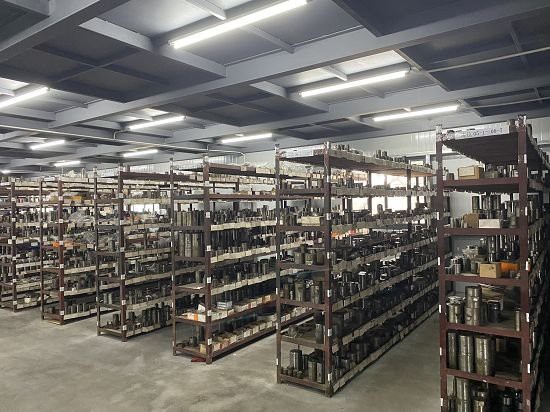
Shanghai Jinrui Norm Parts Supplies Co., Ltd. was built in 2001 which located in Baoshan District adjacent to the Bao Steel Group. Shanghai Jinrui is a fastener enterprise who owns a set of R & D, design, production and sales of high quality. Shanghai Jinrui owns total assets of RMB 50 million with area of 5000㎡. The business covers more than 35 countries. Now three branches of Shanghai Jinrui are Shanghai Xingrui Bolt Factory, Shanghai Xingrui Wire Steel Factory, and Shanghai Xingrui Hot heading Factory.




Certifications


