


Rivet
What is Rivet
A rivet is a type of fastener used to permanently join two or more components together. It consists of a cylindrical shaft with a head on one end. The other end, called the tail, is deformed or "bucked" to create a secure connection. Rivets are commonly used in applications where a strong and permanent bond is required, such as in the construction of aircraft, automobiles, bridges, and structural frameworks.
Advantages of Rivet
Permanent connection
One of the key advantages of rivets is that they provide a permanent and tamper-proof connection. Once a rivet is installed and the tail end is deformed, it creates a secure bond that cannot be easily undone without damaging the components. This makes rivets ideal for applications where a strong and long-lasting connection is required.
Load distribution
Rivets distribute the load evenly across the joint, reducing stress concentrations. Unlike other fasteners like screws or nails that concentrate stress at specific points, rivets create a broader load-bearing area. This helps to minimize the risk of component failure and ensures a more reliable and durable connection.
Resistance to shear and tensile forces
Riveted joints are known for their excellent resistance to shear and tensile forces. The deformation of the rivet tail during installation creates a mechanical interlock between the components being joined. This interlock enhances the joint's ability to withstand forces that act parallel (shear) or perpendicular (tensile) to the joint, making rivets suitable for applications with high load requirements.
Vibration resistance
Rivets are highly resistant to vibration. The secure and permanent connection created by rivets ensures that the joint remains intact even under high levels of vibration. This makes rivets particularly useful in applications where components are subjected to constant movement or vibration, such as in automotive or aerospace industries.
Corrosion resistance
Rivets can be made from materials that offer excellent corrosion resistance, such as stainless steel or aluminum. Additionally, rivets can be coated or plated with materials like zinc or nickel to further enhance their resistance to corrosion. This makes rivets suitable for applications in outdoor or corrosive environments, where protection against rust or degradation is crucial.
Versatility
Rivets can be used in a wide range of applications and with various materials. They can join different types of materials, including metal, wood, plastic, and composite materials. This versatility makes rivets a popular choice in industries such as construction, automotive, aerospace, and manufacturing.
Easy installation
Rivets are relatively easy to install compared to other fasteners. They do not require special tools or electricity for installation, making them accessible and convenient for a wide range of users. With the right tools and proper technique, rivets can be installed quickly and efficiently.
Cost-effective
Rivets are generally cost-effective compared to other fastening methods. They are often less expensive than alternatives like welding or adhesive bonding. Additionally, the simplicity of the installation process and the availability of a wide range of rivet types and sizes contribute to their cost-effectiveness.
Aesthetics
Rivets can also provide aesthetic appeal to certain applications. They can be used as decorative elements, adding a unique and industrial look to products or structures. Rivets are often seen in architectural designs, furniture, and fashion accessories, where they serve both functional and decorative purposes.
Safety
Rivets offer safety advantages in certain applications. For example, in electrical applications, rivets made from non-conductive materials can prevent electrical conductivity and reduce the risk of electrical hazards. Additionally, the permanent nature of riveted joints ensures that they remain secure and reliable, reducing the risk of accidents or failures.
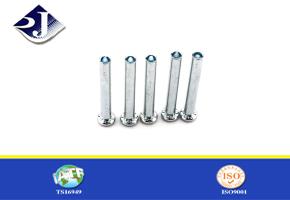

Our company is one of the leading rivet manufacturers and suppliers in China. With more than 20 years of production experience, we can customize various types of rivets and rivet joints for you. Our engineers can design the products you need according to the drawings, samples or details.
Why Choose Us
Rich experience
Dedicated to strict quality control and attentive customer service, our experienced staff is always available to discuss your requirements and ensure complete customer satisfaction.
Advanced equipment
We take great measures to ensure that we work with the industry’s highest quality equipment and that our equipment is regularly and meticulously maintained.
High quality products
We always put customer needs and expectations in the first place, refine on, continuous improvement, to seek every opportunity to do better, to provide customers with their expectations of quality products, to provide customers with the most satisfactory service at anytime.
Professional service
We can accept factory inspection and goods inspection at any time. Technical discussion, research and development of new products, and complete after-sales service.

During installation rivets are inserted into pre-drilled holes and the tail/shank is compressed, deforming it and creating what amounts to another head. The compression of the tail/shank also causes the rivet to expand in the hole thus helping to bind the materials together. Blind rivets, often called pop rivets, use a mandrill (a long shaft that protrudes from the head) to compress the tail/shank. The mandrill is pulled out through the head to compresses the tail/shank and is then snapped off. Blind rivets allow installation without requiring access to the rivet tail. Depending on the style of rivet, installation is accomplished using a hammer or a rivet gun.
Materials Used for Rivets
1. Steel
Steels with low carbon properties are suitable for rivets applications. This is due to its ability to clinch or fit well in its application. In addition, it is highly flexible and adaptive compared to rigid high carbon steel rivets. Rivets made with high carbon steels require more material while their moldability decreases.
2. Stainless steel
The stainless steel rivets are considerably hard, strong, and withstand deterioration. These are the kind of rivets for locomotive, aircraft, and power-producing industries. These stainless rivets are employed for their ability to resist corrosion.
Aluminum
Aluminum is another metal variant with a renowned usage for rivets and fasteners. It is recognized for its tenderness and its lightweight attribute. Aluminum material offers a strong deterioration resistance, and it is suitable for several applications. Furthermore, aluminum is quite malleable; hence, it allows you to create complex part configurations easily.
Brass
Brass is a flexible, low-friction, and supple material. It has quite a fascinating resistance to tarnish and equally high strength. As a result of its properties, Brass cannot create sparks. These attributes render brass rivets the most suitable kind in gas appliances.
Copper
Copper is a flexible material, both in its appearance and applications. It has a remarkable ability to conduct heat and electricity. Copper material is a great conductor of electricity, making copper rivets most preferred in water and electrical appliances.

Applications Of Rivet Types
Rivets are famous in the area of construction due to the high efficiency they provide. They are reliable fasteners that facilitate the joining ease of various parts of a structure or machine. You can use a rivet joint for connecting any wooden and metal material. These rivets enable the joining of different wooden facilities, such as lockers, cabinets, and shelves.
The automotive industry has a diverse use for rivets. Manufacturers in this sector use these fasteners to assemble chassis components, body panels, and several other parts. It is primarily utilized in fastening materials of different properties, such as steel and aluminum. In addition, rivets have excellent resistance to vibration and fatigue, facilitating impressive high-strength application benefits.
Expert and rising jewelry producers adopt riveting as a cold joining method in their various operations. Jewelry manufacturers utilize riveting to efficiently perform cold connections using basic metal forming capabilities, specific instructional videos, and some standard tools. Many fabricators have turned to riveting as it allows them to join metallic pieces without compulsorily using the soldering technique.
Manufacturers in this sector often use solid, long-lasting, and reliable materials in machining different projects. As a result, riveting is an essential technique in constructing aircraft, they facilitate solid alignment and forming of solid parts. Additionally, rivets connect aluminum alloys because of their low compatibility with the soldering technique.
Manufacturers have extensive use for rivets in the sports equipment industry. They use rivets in joining components like skateboards, bicycle frames, and ski bindings. Rivets are ideal for these applications due to their high strength and durability.

7 Types Of Rivets Used In Manufacturing
Solid rivets
These are the most widely used rivets, commonly called round rivets. They are easy to use, dependable, and have the oldest form of connecting materials. Depending on the softness and varying size of the rivet, you can easily deform the tail with a crimping tool or hammer.
Blind/pop rivets
A blind rivet is a tubular rivet with a head and a mandrel through its center. You must insert the blind rivets into an already drilled hole in the parts meant to be joined. Then, use a riveter or unique tool to push the mandrel through the rivet. The compression force between the tool and the mandrel’s head expands the tube’s diameter locking the sheets.
Split rivets
Split or bifurcated rivets are similar to self-piercing fasteners. They are your go-to option for joining soft materials like wood, plastic, and leather. As a result, they are not ideal for critical applications but are suitable for home repair work.
Drive rivets
Drive rivets have a mandrel through their center, identical to blind rivets. However, drive rivets require using any unique tool to draw the mandrel through the rivet. It only needs a hammer and probably a backing block to get the mandrel into the rivet body and fasten the parts.
Self-piercing rivets
These rivets do not require drilling a hole in a material before use. Self-piercing rivets can make a hole in materials using their chamfered poke or bevel drill. They pierce the material’s topmost layer, leaving the lower layer half-pierced. An upsetting die makes the rivet’s tail spread and interlocks into the base sheet, creating a low-profile button.
Tubular rivets
Tubular rivets are generic tubular rivets with a head, shank, and partially hollow tube. They are of varying configurations, usually available with a head on one end and a hollow side. The hollow side passes through any piece that needs to be joined. Manufacturers join the field head to the hollow side using the cold forming technique.
Flush rivets
Flush rivets are also called countersink rivets. They are best used on external surfaces to ensure an attractive appearance and avoid aerodynamic drag. It comprise countersunk heads and holes making it suitable for finished metal surfaces requiring minimal visibility. They are functional tools for aerodynamic applications due to their flush appearance.
A Stepwise Guide to the Riveting Process
You need to determine the suitable rivet for your parts. It would be best to consider factors such as the ideal rivet material, type, and size to do this successfully.
The next step is determining where to install the rivet on your parts. It will help to ensure the efficient joining of the materials or components.
You must drill a hole precisely 1.5 mm more than the rivet diameter you want to install.
Insert your rivet in the hole drilled through the materials you want to join together.
When you install the rivet, the tail/shank comes out at the opposite end of the part where you will deform it.
Once you hammer the tail, it flattens the material making the tail spread about one and a half its actual size. More importantly, ensure the rivet’s bottom is identical to the workpieces to complete the riveted joint.
Rivets generally offer greater resistance to vibration, making them the superior choice for applications where heavy vibration is commonplace.
Rivets can often be rapidly installed, which is particularly useful where large volumes of these fasteners need to be fit into industrial machinery, making them a far more economical option.
One of the most notable advantages of selecting Rivets is their ability to be installed into a blind hole. Unlike threaded fasteners, Blind Rivets require no access to the other side of the fastening surface to install and create a solid bond.
Rivets are also comparatively lightweight, further encouraging their use in weight critical applications, enabling the fastening of thin sheets without the distortion created by welding.


A pop rivet is also known as a blind or hollow rivet and is used where you are only able to work with one side of the rivet. A special pop rivet gun or tool pulls the mandrel head into the body of the rivet, which then expands against the blind side of the join. Once it meets the face of the join’s blind side the mandrel snaps, causing the stem to eject to create a tight joint. A pop rivet can be used as a replacement for nuts and bolts, screws, welds and adhesives.
Our Factory
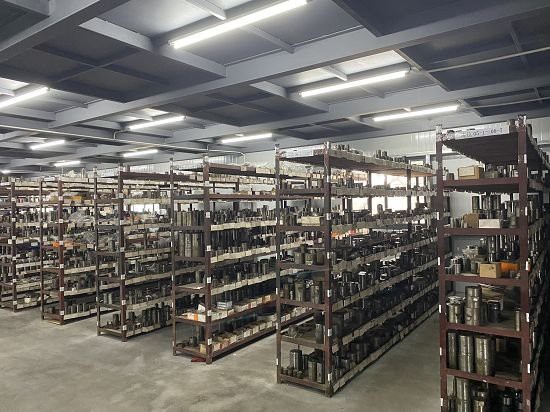
Shanghai Jinrui Norm Parts Supplies Co., Ltd. was built in 2001 which located in Baoshan District adjacent to the Bao Steel Group. Shanghai Jinrui is a fastener enterprise who owns a set of R & D, design, production and sales of high quality. Shanghai Jinrui owns total assets of RMB 50 million with area of 5000㎡. The business covers more than 35 countries. Now three branches of Shanghai Jinrui are Shanghai Xingrui Bolt Factory, Shanghai Xingrui Wire Steel Factory, and Shanghai Xingrui Hot heading Factory.




Certifications


