


Although nuts are small in size, they play a crucial role in fixing components. Once a nut slips, it will affect normal use, so daily maintenance is very important. The following are the methods to remove a slipping nut and key points for daily maintenance.
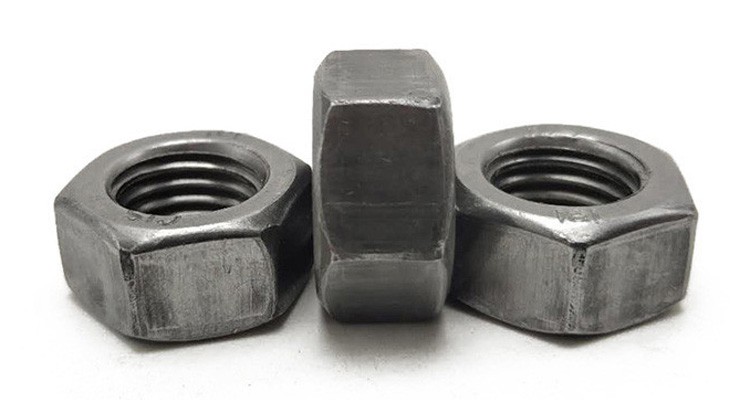
I. Methods to Remove a Slipping Nut
If a nut slips, you can apply uniform pressure on the wrench and try to turn the nut; if this method is ineffective, you can use a small file to cut a deep groove on the top of the nut, then insert a flat-head wrench into the groove and unscrew it counterclockwise; you can also use a hacksaw to cut off the top of the nut, taking care to avoid the bolt body during sawing to prevent damage to the bolt.
If none of the above methods work, you can use a torque wrench or locking pliers. Clamp the nut firmly with the torque wrench or locking pliers, keep the jaw closely attached to the nut, and rotate it slowly counterclockwise until the nut is loose. If the nut is too tight, you can place a rubber gasket on the surface of the nut to increase friction, or use a heater (such as a heat gun) to heat the nut for a few seconds. Use the principle of thermal expansion and contraction to slightly expand the nut, reduce the fit with the bolt, and then try to unscrew it.
You can use a wrench of appropriate size, clamp it accurately on the nut to ensure a tight fit without looseness, and rotate it counterclockwise until the nut is loose. If the wrench is not suitable or cannot reach narrow spaces, you can replace it with other types of mechanical tools such as a socket wrench or an adjustable wrench.
In addition, you can apply lubricant, engine oil or rust remover to the thread between the nut and the bolt, let it stand for about 15 minutes, wait for the lubricating substance to fully penetrate into the thread gap and reduce friction resistance, then use a wrench, pliers and other tools to unscrew it counterclockwise.
II. Daily Maintenance of Nuts
1. After the nut is produced, it needs to be rinsed, with attention to detail control to avoid affecting the quality of the nut. If there are hard-to-clean stains left on the surface of the nut, you can use silicate-based cleaning agent to clean it to ensure thorough cleaning and avoid stains affecting subsequent use.
2. The nut needs to be subjected to secondary tempering and heating treatment, strictly following relevant specifications to prevent slight oxidation during the quenching process and avoid quality hazards. If white residues appear on the surface of high-strength nuts, the nut needs to be rinsed again.
3. If the surface of the nut components turns black, the heat treatment process needs to be rechecked and reworked; if excessive corrosion occurs on the surface, new quenching oil needs to be replaced to avoid worsening of corrosion.


